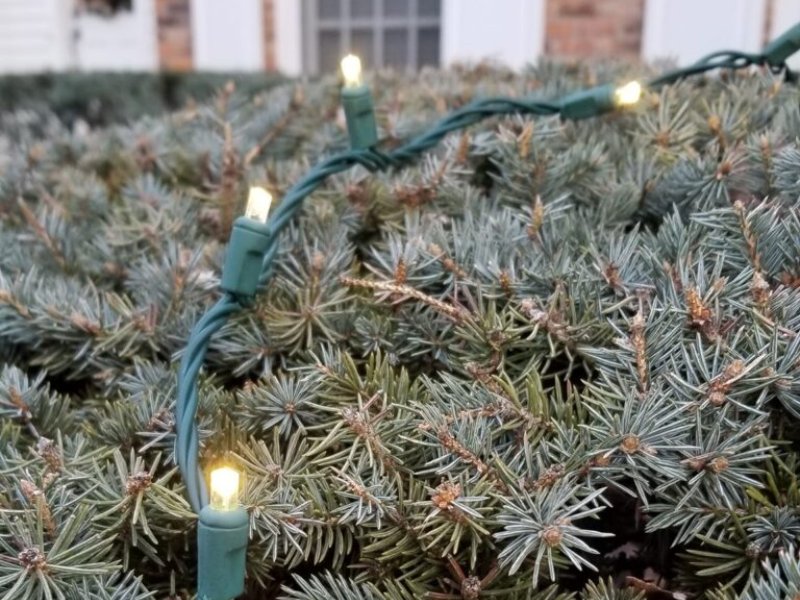
You want your home or business in Albany to look magical during the holidays — strings of warm lights, clean rooflines, and a display that makes neighbors smile. But underneath that sparkle is a real problem many people ignore: improper wiring. Bad wiring turns joy into danger — tripped breakers, melted cords, electrical fires, and expensive repairs. That’s why getting wiring right matters.
The Problem (your pain)
Many homeowners and small businesses assume holiday lights are harmless: plug them in, hang them up, enjoy. But damaged cords, mixing incandescent with LED, daisy-chaining too many sets, or using indoor-rated extension cords outside can create overheating, arcing, or overloaded circuits — and those are common causes of seasonal fires and shocks. Inspecting for frayed wires, broken sockets, or loose connections before hanging lights isn’t optional — it’s essential.
The Guide (A Fuller Service — we get it and we know how)
At A Fuller Service in Albany, we understand how much the season means to you — and we also understand electricity. We’ve helped customers get eye-catching, reliable displays that are safe and code-compliant. We don’t just hang lights; we reduce risk. We’ll explain the rules, inspect your gear, and install the wiring so your display delights without the worry.
A Clear Plan (simple, actionable steps)
- Inspect every strand and cord. Throw away or replace sets with cracked sockets, pinched insulation, or exposed wiring. Follow CPSC guidance on checking and discarding damaged lights.
- Use listed/approved products. Only use lights and transformers listed by a recognized testing lab (UL, ETL, etc.). Seasonal lighting products have standards (e.g., those addressed in UL 588) intended to reduce fire and shock risk.
- Use outdoor-rated extension cords and GFCI protection. Temporary outdoor runs must use cords identified for hard or extra-hard usage; indoor cords are not an acceptable substitute. Protect exterior circuits with GFCI where required and consider smart timers to limit continuous run-time.
- Avoid overloading circuits. Know the circuit capacity and don’t daisy-chain multiple long runs or mix high-draw incandescent strings with LEDs on the same run. When in doubt, run a separate circuit or consult an electrician.
- Follow temporary wiring rules and local codes. The National Electrical Code allows temporary lighting methods only when approved; some installations and long-term wiring changes need permits or professional installation. Albany’s development standards also regulate decorative lighting and require you to avoid glare and unsafe installations. If your display is complex or involves permanent wiring changes, get a permit and an inspection.
Visualize Success (what good looks like)
Imagine a perfectly lit roofline and storefront that gleams every evening — lights that never trip the breaker, cords that stay dry and secure, and customers or family enjoying the scene without a single worry about sparks or outages. A safe display also saves you money by avoiding fire damage, lowers liability, and keeps your holiday spirit intact.
The Cost of Failure (what happens if you ignore it)
Neglecting proper wiring can mean burned insulation, damaged gutters, or worse — electrical fires. Many holiday-related home fires trace back to shorted or overheated lighting equipment and improper wiring. Don’t let a festive season become an emergency.