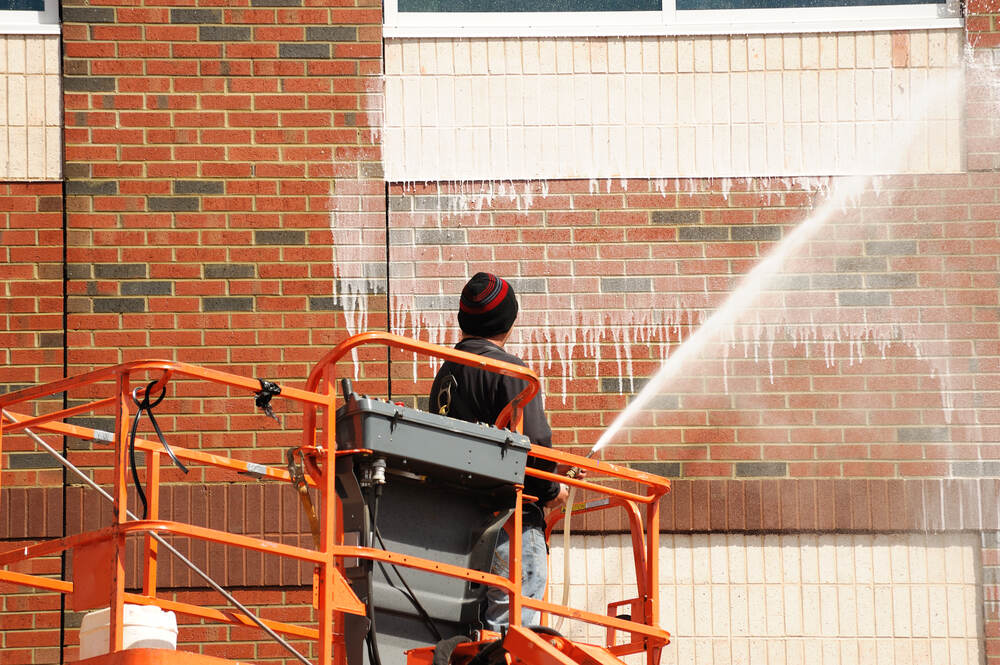
When it comes to cleaning the exterior of your home, two common methods usually come up: pressure washing and soft washing. While they may sound similar, they are very different processes—and choosing the right one can make a major difference in both cleaning results and long-term protection of your property.
At A Fuller Service, we believe homeowners should know what they’re getting. Here’s a clear breakdown of each method so you can make the best decision for your home.
What Is Pressure Washing?
Pressure washing uses high-pressure water—often 2,000 to 4,000 PSI—to blast away dirt, grime, and buildup from durable surfaces. Because of the force behind the water, it’s effective at removing:
- Oil stains
- Mud
- Paint flakes
- Heavy dirt buildup
- Graffiti
Best surfaces for pressure washing:
- Concrete driveways and sidewalks
- Pavers
- Brick
- Decks (depending on material)
- Patio surfaces
Pros of pressure washing
- Extremely powerful and fast cleaning
- Works well on durable, non-porous surfaces
- Removes stuck-on grime without chemicals
The downside
Pressure washing can cause damage if used incorrectly. It can:
- Etch concrete
- Crack tiles
- Strip paint
- Damage siding
- Force water behind surfaces where it doesn’t belong
For this reason, pressure washing is not ideal for roofs, siding, or delicate exterior materials.
What Is Soft Washing?
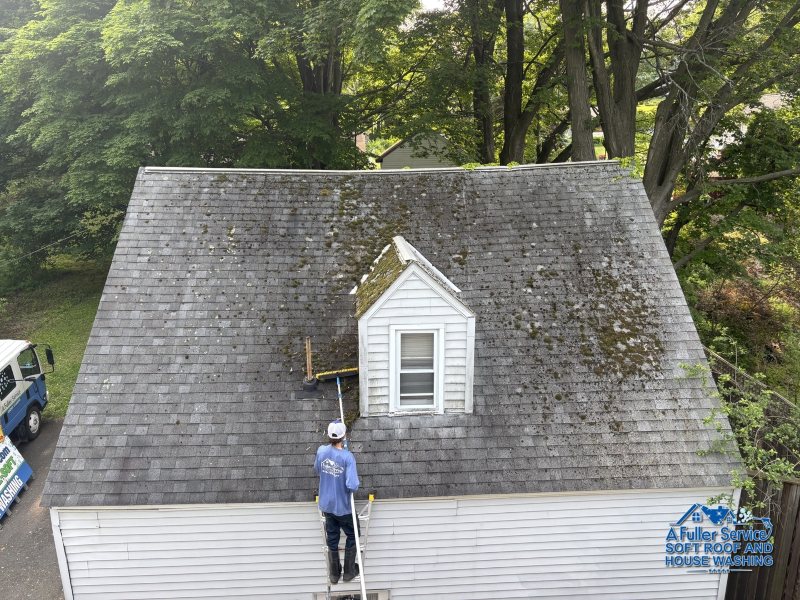
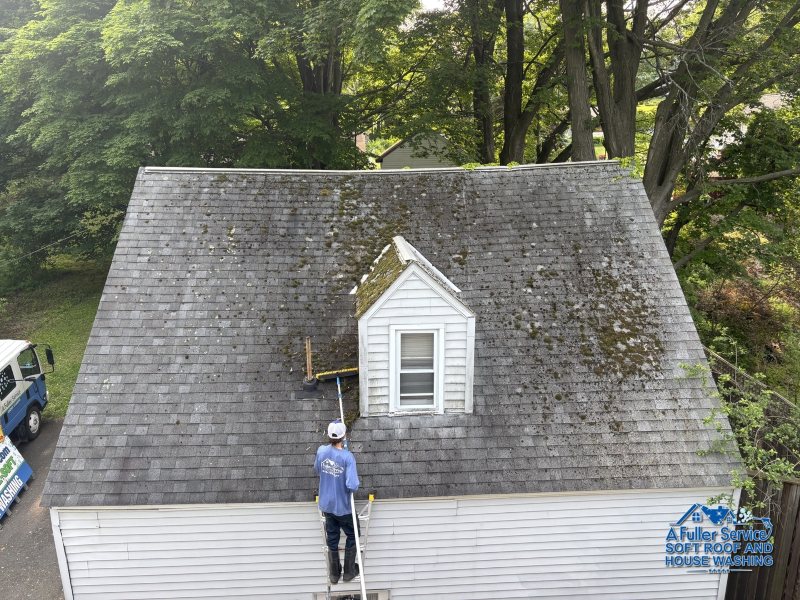
Soft washing uses low-pressure application, combined with specialized biodegradable cleaning solutions to gently remove dirt, algae, moss, mold, and mildew. Instead of relying on force, soft washing works at the chemical level to break down organic growth—and then rinses it away safely.
Best surfaces for soft washing:
- Asphalt shingles
- Clay and concrete roof tiles
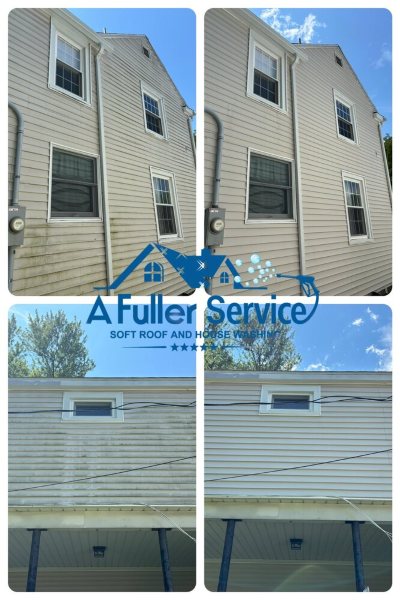
- Vinyl and wood siding
- Stucco
- Painted surfaces
- Screens, gutters, and outdoor furniture
- Most delicate exterior materials
Benefits of soft washing
- Safe for roofs and siding
- Cleans deeper by killing bacteria, mold, and algae
- Prevents regrowth longer than pressure washing
- Uses minimal water compared to high-pressure spraying
- Won’t damage shingles or protective coatings
Soft washing is the method recommended by roofing manufacturers, because it protects the lifespan of the roof while effectively removing black streaks, lichen, and moss.
Pressure Washing vs. Soft Washing: Key Differences
| Feature | Pressure Washing | Soft Washing |
| Cleaning method | High-pressure water | Low-pressure water + cleaning solutions |
| Best for | Hard surfaces like concrete | Roofs, siding, and delicate surfaces |
| Removes | Dirt, paint, heavy buildup | Algae, mold, bacteria, stains |
| Risk of damage | Moderate to high | Very low |
| Lasting results | Shorter | Longer—kills growth at the root |
Which One Should You Choose?
The right method depends on what you’re cleaning:
Choose Pressure Washing for:
✔ Driveways
✔ Pavers
✔ Concrete patios
✔ Brick walkways
Choose Soft Washing for:
✔ Roofs
✔ Vinyl or wood siding
✔ Stucco
✔ Gutters
✔ Screens
✔ Painted or delicate surfaces
When in doubt, soft washing is almost always the safer, longer-lasting option—especially for roofs and home exteriors.
Why A Fuller Service Is the Right Choice
At A Fuller Service, we specialize in the soft washing method recommended by roof manufacturers across the industry. Our treatments:
- Restore beauty without damage
- Kill algae, bacteria, mold, and moss at the source
- Extend the life of your roofing and siding
- Use eco-friendly, biodegradable cleaning solutions
We also know when pressure washing is the better choice—and will always choose the safest method for your home’s surface.
Final Thought
Both pressure washing and soft washing have their place in exterior cleaning. The key is knowing which one to use, where, and why. If you want the deepest clean with the longest-lasting results—especially for your roof and siding—soft washing is the superior choice.